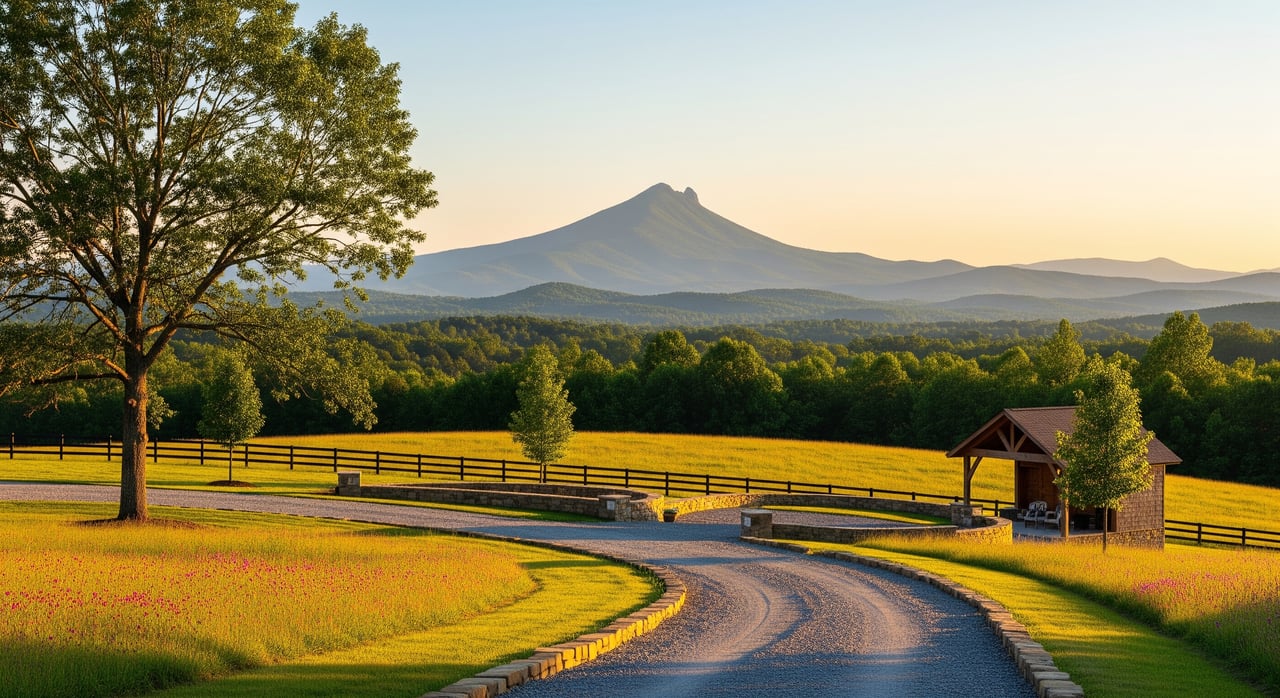
If you picture quiet mornings with Pilot Mountain on the horizon and room for a garden, animals, or a workshop, you’re not alone. Buying land here feels exciting, but rural parcels come with different rules and checks than a neighborhood lot. In this guide, you’ll learn how to evaluate acreage around Pilot Mountain from zoning to septic, wells, access, utilities, value drivers, and timelines so you can buy with confidence. Let’s dive in.
Why Pilot Mountain land stands out
The land around Pilot Mountain blends small farms, forested tracts, and low‑density homes across the northwestern Piedmont foothills. Topography can shift fast, from gentle pasture to steeper, rocky slopes near the mountain. That variety creates options for hobby farming, recreation, and privacy if you match the parcel to your plans.
Location matters for value. Parcels closer to Pilot Mountain State Park, water features, ridge‑top views, or paved road access tend to command higher prices than remote, steep, or landlocked tracts. Pricing is highly local and seasonal, so rely on multi‑year MLS and county sales data rather than single listings for trends.
Pre‑offer checklist
Before you write an offer, confirm the basics. A few early calls and records searches can protect your budget and timeline.
Zoning and permitted uses
- Contact Surry County Planning and Zoning to confirm the zoning district, permitted uses, setbacks, and minimum lot size.
- Ask if the parcel lies inside a town or extraterritorial jurisdiction, which may have different rules.
- Look for any special overlay districts that could affect clearing or building.
Covenants and HOA rules
- Search the Surry County Register of Deeds for recorded covenants, conditions and restrictions.
- Note any HOA rules that limit structures, livestock, fencing, or lot division.
Environmental overlays
- Review FEMA flood maps for floodplain impacts and insurance needs.
- Ask about wetlands and stream buffer rules that may limit where you can clear or build.
- Confirm any local water‑quality protections through county and state agencies.
Access and driveways
- Verify legal access on a public road or a recorded private easement.
- Ask Surry County or NCDOT about driveway permit needs for state‑maintained roads.
- Consider emergency access and practicality for routine use, especially on narrow or steep drives.
Septic and well basics
Rural parcels typically rely on a private septic system and well. These two items often determine whether your homesite is feasible and where you can place it.
Septic approvals in Surry County
- Surry County Environmental Health handles on‑site wastewater approvals. A soil/site evaluation, sometimes called a “perc test,” checks soil depth, slope, and drainage.
- Conventional systems require suitable soils. If not feasible, engineered systems may work but cost more.
- If a septic system already exists, confirm it was permitted and approved. If records are missing, budget for evaluation or replacement.
- Make septic approval a contingency in your offer whenever possible.
Private wells and water quality
- Most parcels use private wells built under North Carolina well construction standards.
- Ask for any existing well log with depth, yield, and static water level, and test water quality for bacteria and nitrates.
- If there is no well, review nearby well performance and consult local drillers about expected depth and yield, especially near shallow or fractured bedrock.
Soils, slopes, and buildability
- Use county GIS and NRCS soil data to preview soil types, depth to bedrock, and drainage.
- Steeper slopes increase grading and foundation costs and may trigger erosion‑control measures.
- Thin soils over rock can limit septic options and reduce your buildable area.
Access, easements, and rights
The right access and clean title are just as important as good soils.
Legal access types
- Public road frontage is simplest. Private road or shared driveway access can work if you have a recorded easement and a solid maintenance agreement.
- Parcels without recorded ingress/egress are high risk. Financing and title insurance can be difficult.
Driveway permitting
- Ask Surry County or NCDOT if your planned driveway to a state road needs a permit.
- Confirm sightlines, slope, and turning radius for service and emergency vehicles.
Timber, mineral, and other rights
- Check the Register of Deeds for timber harvest rights, severed mineral rights, conservation easements, and utility easements.
- Recorded easements can influence where you place a driveway, home, or barn.
Utilities and services
Power and energy
- Identify the nearest electric provider and whether service is at the road. Extending power to remote sites can be costly and may require easements.
- Natural gas is limited in rural areas. Most homes rely on electric, propane, or heating oil.
Internet and communications
- Broadband varies by road and valley. Options may include DSL, fixed wireless, cable in select areas, limited fiber, or satellite.
- Confirm availability with providers for the specific address before you commit.
Fire, EMS, trash, and mail
- Proximity to volunteer fire departments and EMS can affect response times and insurance costs.
- Solid‑waste service may require private pickup or trips to a county collection center.
- Coordinate addressing with the county 911/Emergency Services office to confirm your official address.
Schools and assignment
- School assignment follows county district maps. If it matters to your plans, verify current assigned schools directly with the district.
What drives land value here
Understanding local value drivers helps you compare parcels apples‑to‑apples.
Value‑enhancing features
- Reliable public road access and paved frontage
- Existing, documented driveway, septic, and well
- Mountain or ridge‑top views and proximity to state park or conservation lands
- Clear, usable acreage for pasture or gardens
- Utilities available at the road and quality outbuildings
- Good, well‑drained soils and a clean title
Value‑reducing features
- Steep slopes or shallow soils limiting septic and build locations
- No legal access or weak private road agreements
- Floodplain, wetlands, or buffers constraining development
- Costly utility extensions or major encumbrances across build areas
- Nearby noise sources or industrial uses
Timeline, costs, and your team
Buying rural land takes a different pace than buying a subdivision lot. Build in time for permits and experts.
Suggested due‑diligence timeline
- 1 to 2 weeks pre‑offer: Desk research on zoning, tax records, GIS layers, flood maps, and deed history; gather seller documents.
- 15 to 60 days under contract: Survey, septic evaluation, well testing or permits, access confirmations, title review, and any environmental checks.
- Septic and well permitting: A few weeks for simple sites; months for engineered systems or variances.
Budget items to plan
- Boundary survey and stakeout
- Septic evaluation, permit, and potential engineered system costs
- Well drilling and water testing
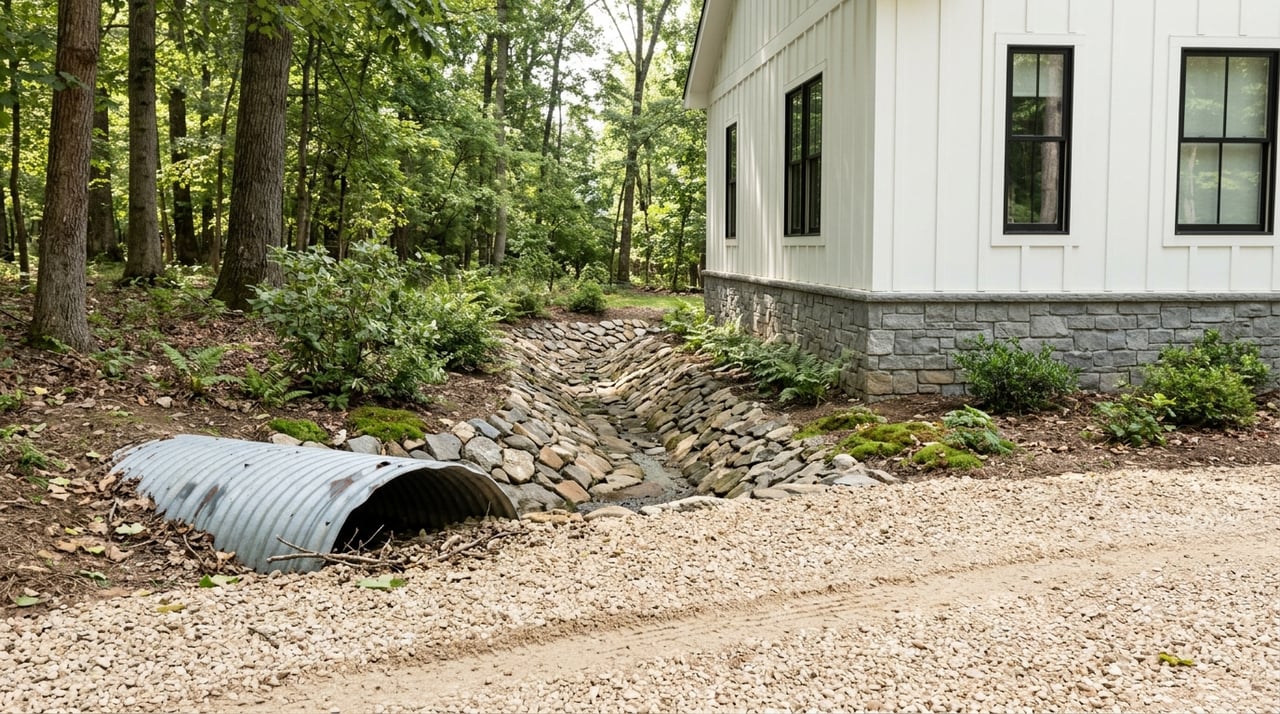
- Driveway construction, culverts, and permits
- Utility extensions for power or communications
- Clearing, grading, erosion control, and driveway surfacing
- Title insurance and closing fees
Pros to have on your side
- Licensed land surveyor for boundaries and access confirmation
- Soil scientist or certified site evaluator for septic approval
- Licensed well driller or hydrogeologist for water yield insights
- Civil engineer or septic designer for complex sites
- Real estate attorney and title company for deed, easement, and closing
- Forester or timber consultant if timber value matters
Local contacts and resources
- Surry County Planning and Zoning: Zoning, setbacks, permits, driveway guidance
- Surry County Environmental Health: Septic site evaluations and wastewater permitting
- Surry County Tax Assessor: Parcel data and assessed values
- Surry County Register of Deeds: Deeds, plats, easements, covenants
- Surry County GIS Viewer: Parcel maps, aerials, utilities, overlays
- County 911/Emergency Services: Official addressing and fire district info
- NC Department of Environmental Quality: On‑site wastewater, wells, wetlands, and buffers
- NC Cooperative Extension, Surry County: Agricultural and livestock guidance
- USDA NRCS: Web Soil Survey and soils data
- FEMA Flood Maps and US Army Corps of Engineers: Floodplain and wetlands guidance
Ready to walk land together?
If you’re weighing a mini‑farm, a private homesite, or a recreational tract near Pilot Mountain, the right due diligence will save you time and money. Our team lives and works here, and we understand the soils, slopes, access issues, and permitting steps that shape a successful rural purchase. When you are ready, we will help you compare parcels, line up the right experts, and negotiate a clean, confident contract. Connect with Pilot Group Real Estate to start your search.
FAQs
How do septic approvals work for rural land in Surry County?
- Surry County Environmental Health conducts a soil/site evaluation and issues a septic approval if your soils, slope, and setbacks meet on‑site wastewater standards; make septic approval a purchase contingency.
What if a parcel near Pilot Mountain has no public road frontage?
- Without a recorded legal easement for ingress and egress, financing and title insurance may be difficult; prioritize parcels with public frontage or secure a properly recorded easement before closing.
Can I keep livestock on small acreage in Surry County?
- Many rural areas allow small‑scale agriculture, but confirm zoning, animal setbacks, and manure management guidelines with the county and the NC Cooperative Extension before you buy.
How reliable is internet service on rural parcels near Pilot Mountain?
- Availability varies by road and terrain; options can include DSL, fixed wireless, cable in limited areas, fiber near towns, or satellite, so verify serviceability at the specific address with providers.
How long does it take to prepare a rural homesite near Pilot Mountain?
- From contract to permitted septic, well, and a basic driveway, expect weeks to several months depending on site conditions and approvals; full home construction typically adds additional months.