Pilot Mountain Home Selling Checklist For Local Owners
February 19, 2026
February 19, 2026
Thinking about selling your Pilot Mountain home but not sure where to start? You are not alone. In a small market, even simple decisions like pricing and timing can feel high stakes. This guide gives you a clear, local checklist so you can prep with confidence, price smart, and move through closing with fewer surprises. Let’s dive in.
Pilot Mountain is a small town, which means online pricing snapshots can swing month to month. Different portals report very different numbers because they use different methods and small sample sizes. Use Surry County trends as a backdrop and rely on a recent local CMA to set your list price. Days on market in the county often run in the 60 to 80 day range, but your price band and condition will drive your result.
Portals measure different things, such as a “typical value,” median list price, or median sold price. In a small market, a few sales can move the average a lot. Treat portal numbers as directional, then confirm value with a CMA that uses recent local comps, pending sales, and the condition of your home. A quick review of county deeds and MLS activity helps you price with confidence.
Make sure HVAC, electrical, plumbing, water heater, and roof are in good working order. Lenders and buyers look hard at these. If your systems are older, schedule a technician visit early. Fixing issues before showings protects you from last‑minute repair credits.
Remove extra furniture, family photos, and collections. Clear surfaces and closets to show storage and flow. If you have lived in the home for years, start sorting keepsakes 2 to 3 months ahead so the process feels manageable.
A top‑to‑bottom clean makes a strong first impression. Fresh, neutral paint brightens rooms and photographs well. Choose light, simple colors that help buyers picture their own furniture.
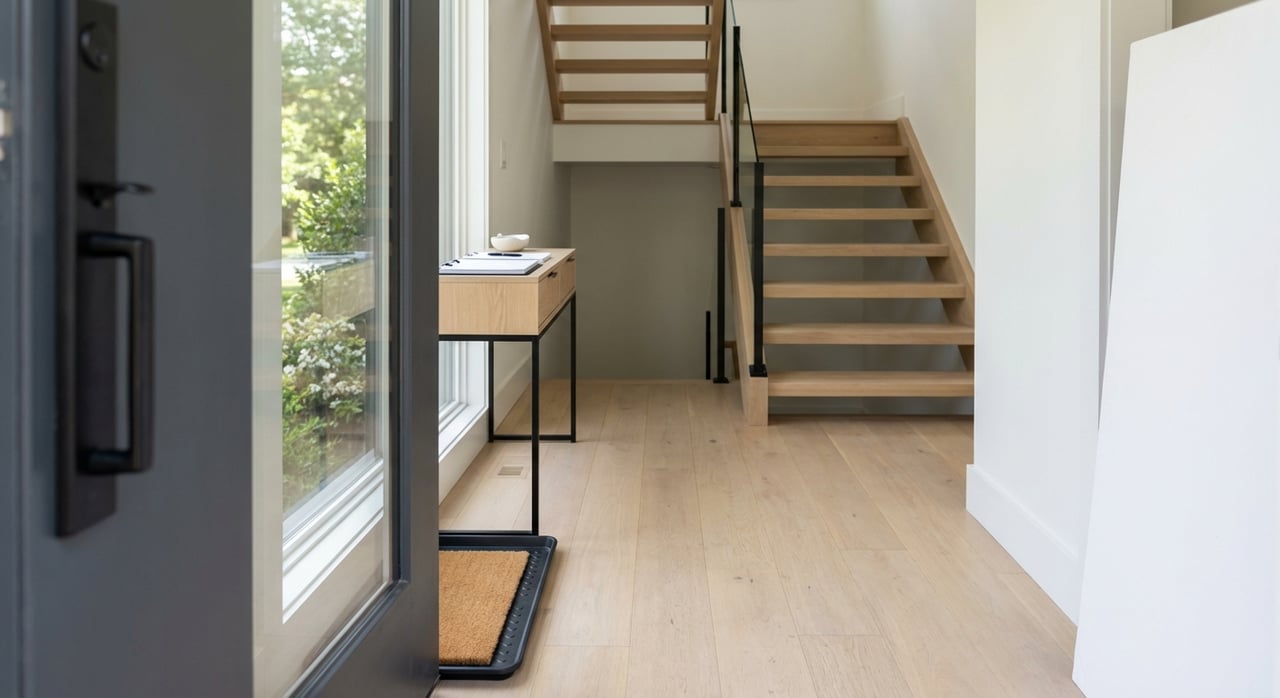
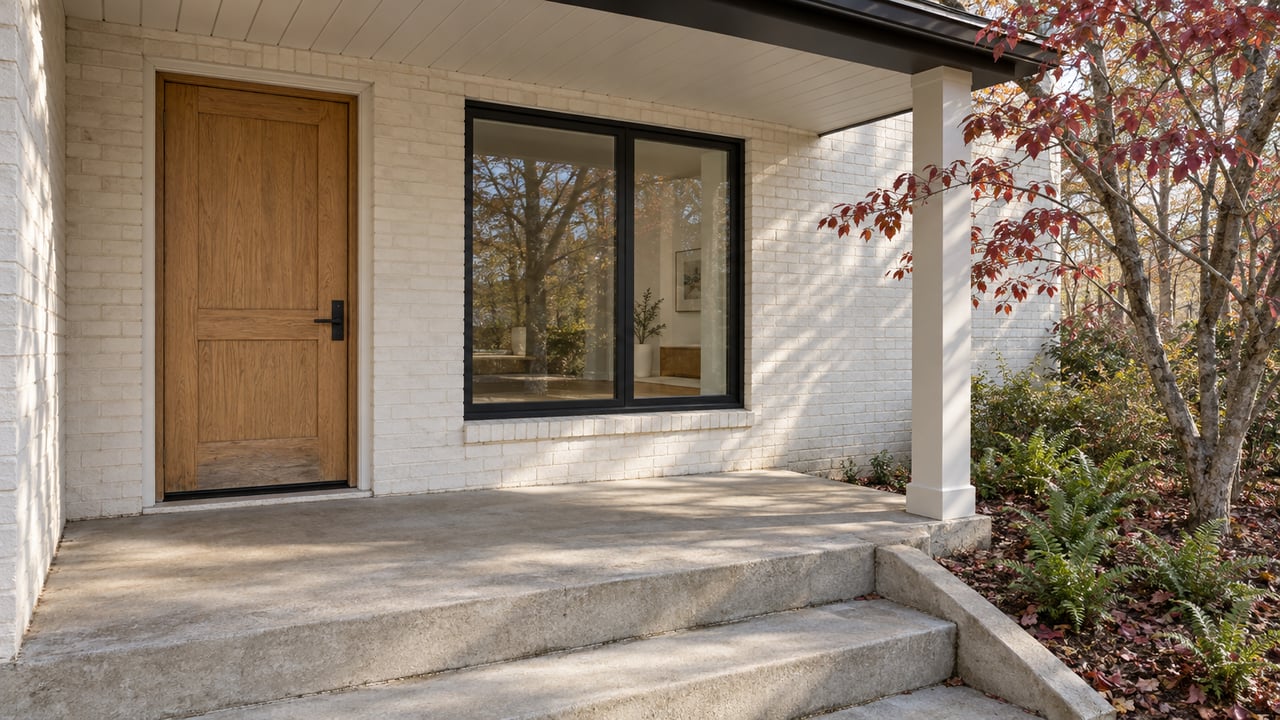
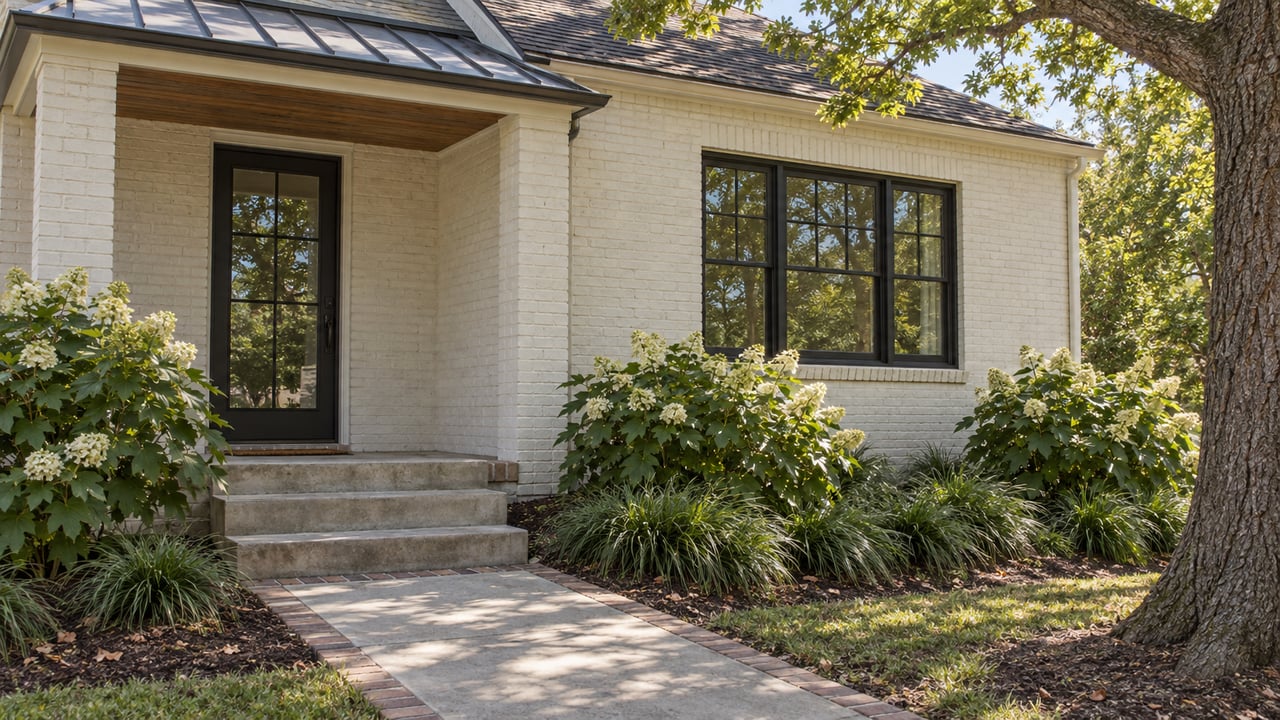
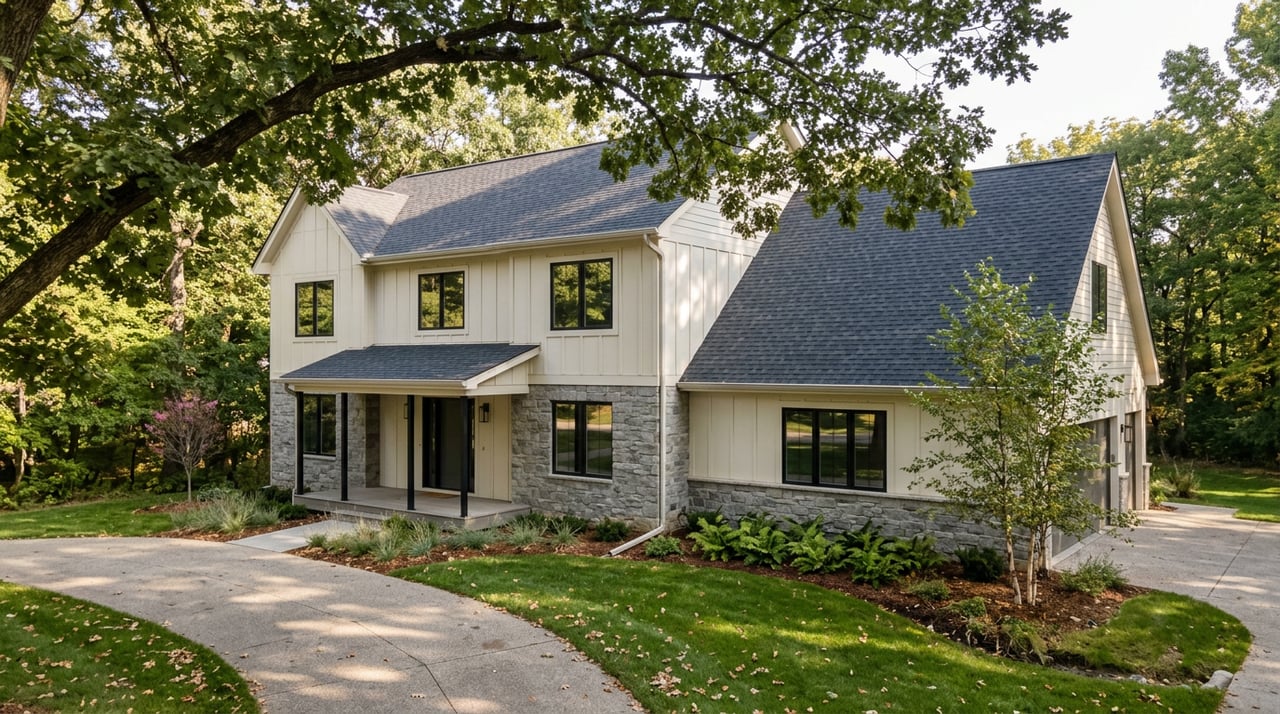
Tidy landscaping, fresh mulch, a clean driveway, visible house numbers, and a swept porch set the tone. Pressure wash siding and walks. A crisp entry photo brings more clicks and better showing traffic.
Staging helps buyers imagine living in the home and often shortens time on market. Industry surveys from NAR report many agents see a 1 to 10 percent lift in offers on staged homes and faster sales. Focus on the living room, primary bedroom, and kitchen. Learn more in the NAR summary on how staging can boost sale prices and reduce time on market and explore staging options from DIY to professional and virtual.
A pre‑list inspection surfaces issues before buyers find them. You can address repairs on your schedule or price with clarity. This also reduces the risk of renegotiation during due diligence.
Hire a photographer who shoots bright, clean images and includes a clear floorplan. Add a short video or virtual tour for out‑of‑area buyers. Use staged photos for your lead image.
Collect your deed, survey if you have one, appliance manuals, major repair invoices, HOA documents if applicable, and your county tax card. This saves time when buyers ask for details.
Spring often brings the most buyer activity. National analyses point to mid‑April as a strong listing window. If that timing does not fit your plans, aim for the next high‑visibility window and match it to local MLS trends.
Decide on your showing schedule and pet plan. Open houses can help in small towns when promoted well. Keep lights on, blinds open, and surfaces clear for every showing.
Price with a local CMA built on sales and pendings from the last 3 to 6 months. In a small market, it is vital to compare homes with similar lot size, age, and condition within the same area. Use county medians only as a backdrop, not as your price. Ask your agent for a net sheet that models different offer scenarios so you see your likely proceeds before you list.
Your likely buyer pool includes local movers, retirees and downsizers, and some investors. Speak to what each group values, such as easy upkeep, updated systems, or flexible spaces.
Once you accept an offer, most North Carolina sales close in about 30 to 45 days. Your total time from listing to keys often runs 60 to 90 days, depending on pricing, season, and demand. North Carolina uses attorney closings, so a licensed NC attorney handles or directly supervises the title work, deed, and recording. Learn what that means for your sale in this overview of NC attorney requirements at closing.
Most sellers must provide the state’s Residential Property Disclosure Statement no later than the time a buyer makes an offer. If something material changes before closing, you must correct the disclosure. Review the statute summary for the Residential Property Disclosure requirements. North Carolina also calls for a conspicuous disclosure of mineral and oil and gas rights in many transfers. Read the mineral and oil and gas rights disclosure details.
Ask your listing agent for a detailed net sheet early, including a payoff estimate from your lender. Keep receipts for recent improvements to support your price and your disclosure.
If you expect a gain on sale, remember many primary‑residence sellers can exclude up to $250,000 of gain if single or $500,000 if married filing jointly when they meet IRS ownership and use tests. Review the basics and consult a tax professional using this plain‑English guide to the tax benefits of homeownership and sale.
You deserve a smooth, well‑planned sale with advice grounded in Pilot Mountain and Surry County data. Our team brings neighborhood‑level insight, polished marketing, and hands‑on support from pricing to closing. If you are thinking about selling, request your free valuation and a custom plan from Pilot Group Real Estate.
Stay up to date on the latest real estate trends.


We provide mentorship, resources, and a collaborative environment where you can grow your real estate career and make a meaningful impact in our community.