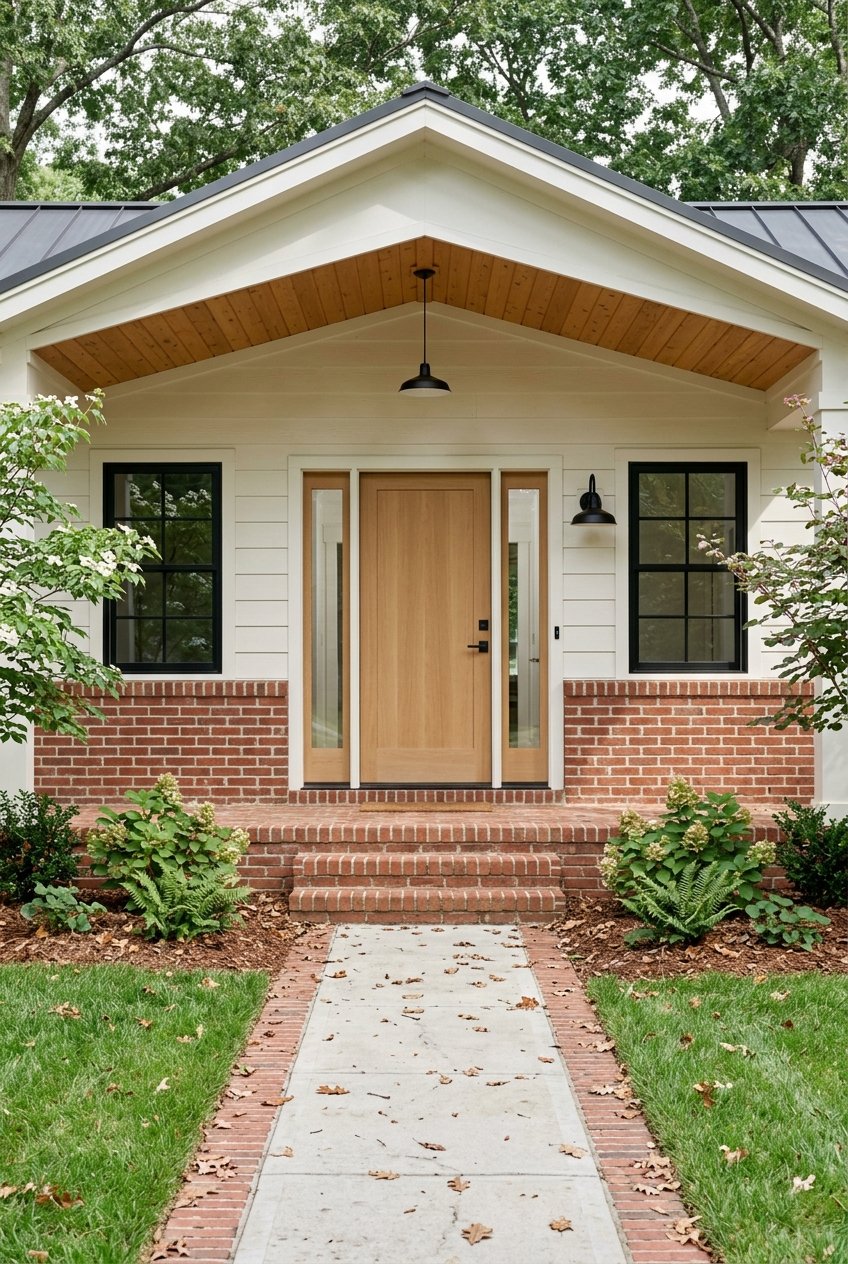
Mount Airy New Construction Vs Historic Homes
May 7, 2026
May 7, 2026
Trying to choose between a brand-new home and a historic one in Mount Airy? You are not alone. This choice often comes down to how you want to live day to day, how much maintenance you want to take on, and what kind of setting feels right for you. In this guide, you will get a practical look at where each option is more common in Mount Airy, what tradeoffs to expect, and how to narrow your search with confidence. Let’s dive in.
Mount Airy is a relatively small market with a strong ownership base. According to the U.S. Census QuickFacts profile for 2020 through 2024, 55.4% of housing units are owner-occupied, and the median owner-occupied home value is $181,900.
That local context matters when you compare new construction and historic homes. Mount Airy’s planning approach manages growth through zoning, permitting, and long-range land-use planning, so the historic core, residential edge, and rural fringe do not all develop the same way.
If you love character, original details, and older streetscapes, Mount Airy gives you several areas to explore. The city identifies the Mount Airy National Historic District, and local architectural survey work highlights older neighborhoods around North Main, West Lebanon, Rockford, Bank Street, Taylor Park, Lebanon Hill, and Country Club Hill.
These areas include a wide range of architectural styles. You may see Italianate, Queen Anne, Craftsman, Colonial Revival, Tudor Revival, ranch-era homes, and more modest worker housing south of downtown along Rockford Street.
In practical terms, that means your options are not limited to one look. You might find a grand early home, a simpler cottage, or a mid-century property that offers some character without all the demands of a much older house.
If your priority is newer systems, modern layouts, and lower upfront maintenance, your search will likely shift away from the historic core. In Mount Airy, new residential growth is generally more likely at the city edge and in fringe growth areas.
The city’s zoning ordinance includes several residential districts, including low-density R-20, medium-density R-15, and single-family R-8. Planning materials also show annexation and rezoning activity for edge parcels such as Edgewood Drive and Rosecrest Drive, which points buyers toward the outskirts for newer housing opportunities.
Larger residential projects may also involve annexation, rezoning, subdivision review, floodplain or watershed review, and sometimes historic district considerations. For you as a buyer, the simple takeaway is this: if you want new construction in Mount Airy, start by watching the city’s outer growth areas.
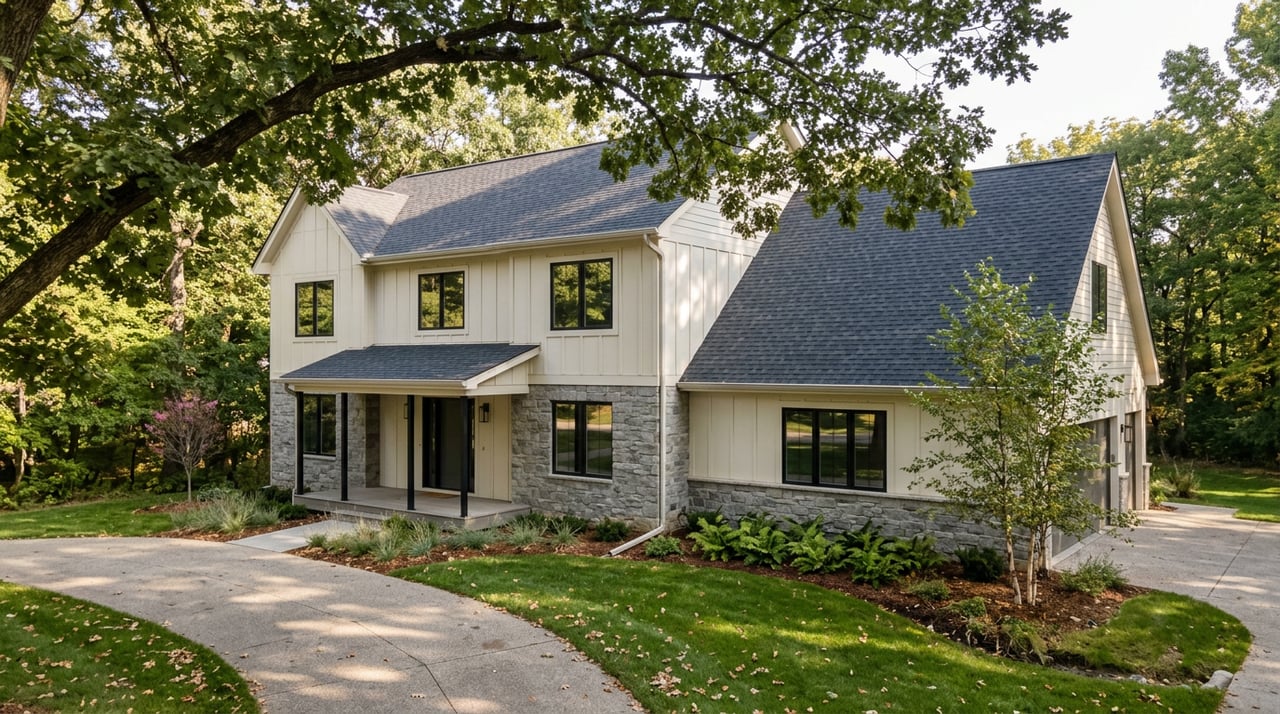
New construction often fits the way many buyers want to live today. National Association of Realtors guidance notes that new homes often offer open layouts, flex rooms, larger windows, lower utility bills from newer materials and stricter building codes, delayed major maintenance, and builder warranties.
That can make everyday life feel simpler. If you want a more move-in-ready experience with fewer projects on your list, a newer home may line up well with your goals.
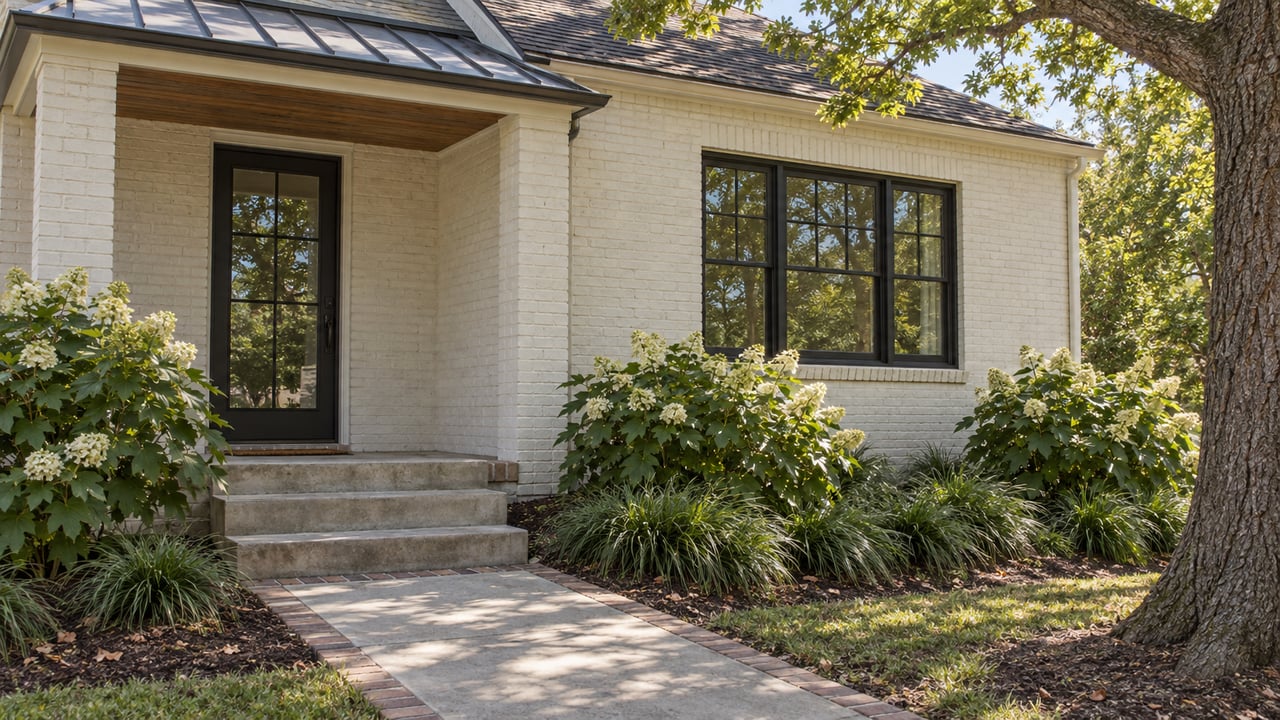
Historic and older homes often offer details you may not find in newer builds. Established streets, mature landscaping, distinctive architecture, and a more central setting are a big part of the draw.
At the same time, older homes can come with less flexible floor plans, more repair needs, and higher utility costs if systems and materials are outdated. If you are drawn to charm, it helps to balance that excitement with a realistic plan for upkeep.
Not every buyer wants a brand-new house or a fully historic one. In Mount Airy, areas such as Taylor Park and Country Club Hill reflect the city’s mid-century suburban layer, including ranch and other postwar homes.
For many buyers, these homes offer a useful compromise. You may get more character than a new build, but with a layout and maintenance profile that feels more manageable than a much older property.
Energy use is one of the biggest day-to-day differences between older and newer homes. Newer homes often benefit from more recent building standards and energy-efficient products, which can help with monthly utility costs and indoor comfort.
Older homes can still be comfortable and efficient, but they often need a closer look. The U.S. Department of Energy recommends a home energy assessment before major upgrades, since it can show where the home is losing energy and what improvements to prioritize.
Common recommendations may include:
If you are considering an older Mount Airy home, this step can help you understand both comfort and cost before you commit.
Older homes can be rewarding, but they usually require more due diligence. One important issue is lead-based paint in pre-1978 homes.
The EPA states that homes built before 1978 are more likely to contain lead-based paint. If renovation, repair, or painting work will disturb those materials, lead-safe practices and certified contractors may be required.
This does not mean you should avoid older homes. It simply means you should plan for a little more research, a little more budgeting, and a little more care if updates are part of your plan.
Resale value is not just about age. In Mount Airy, it is often about character versus convenience.
The city states that local historic districts are intended to protect heritage and stabilize and enhance property values. It also notes that exterior changes in those areas are reviewed through the historic preservation process.
That said, the city also explains that National Register designation is honorary and does not by itself restrict private owners using private resources. For you, that means it is important to understand whether a specific home is in a local historic district, near the historic core, or simply listed in a historic area.
From a marketability standpoint, historic homes may attract buyers who value authenticity and an established setting. Newer homes may appeal more broadly to buyers who want lower upkeep, energy efficiency, and a more contemporary floor plan.
If you are still weighing both options, start with how you want your home to function instead of how it looks online. A beautiful historic house can be the right fit if you enjoy character and do not mind planning for maintenance. A newer home can be the better choice if you want predictability, efficiency, and a simpler move.
Ask yourself a few practical questions:
Your answers will usually point you in the right direction faster than a general pros-and-cons list.
If you want to make your home search more focused, it helps to search by area and housing type instead of browsing everything at once.
Start with fringe growth areas, recently annexed land, rezoning cases, and residential districts near the city edge. Those are the places where Mount Airy’s planning process is most likely to support newer residential development.
Focus on the National Historic District and nearby older streets and neighborhoods, including North Main, West Lebanon, Rockford, Bank Street, Taylor Park, Lebanon Hill, and Country Club Hill. These areas give you the best chance of finding the architecture and setting many buyers picture when they think of classic Mount Airy homes.
Before making an offer, consider budgeting for:
That extra planning can help you move forward with fewer surprises.
Whether you are drawn to clean lines and lower maintenance or timeless details and established streets, Mount Airy offers both. The key is finding the home that matches your budget, your timeline, and the way you want to live. If you want local guidance on comparing neighborhoods, newer inventory, or older homes with long-term potential, Pilot Group Real Estate is here to help you make a confident move.
Stay up to date on the latest real estate trends.


We provide mentorship, resources, and a collaborative environment where you can grow your real estate career and make a meaningful impact in our community.