Explore Winston-Salem Neighborhoods With Small-Town Feel
April 9, 2026
April 9, 2026
Looking for a Winston-Salem neighborhood that feels a little slower, a little greener, and a little more connected? You are not alone. Many buyers want the convenience of city living without giving up the charm of mature streets, nearby parks, and neighborhoods that still feel rooted in local history. If that sounds like you, this guide will help you compare some of Winston-Salem’s best options for a small-town feel. Let’s dive in.
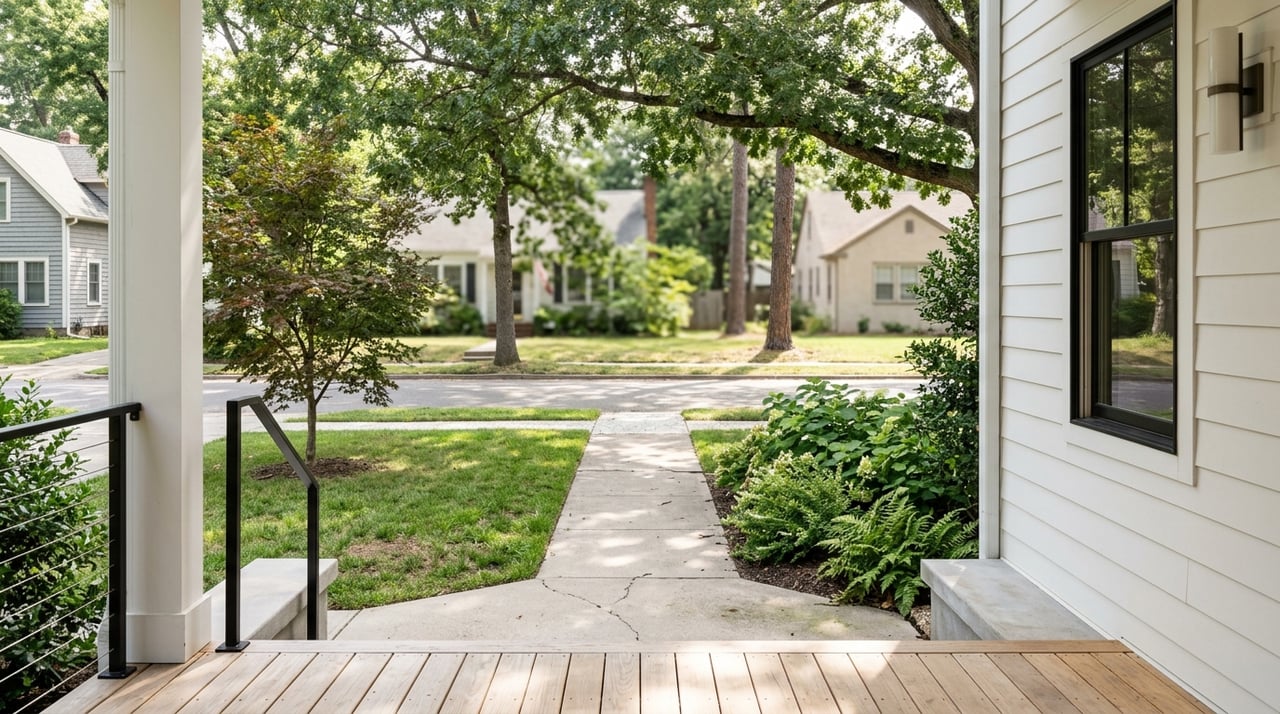
In Winston-Salem, that feeling often shows up in the city’s older streetcar suburbs and long-established residential areas. These neighborhoods tend to have mature trees, walkable streets, historic homes, parks, and a strong sense of place.
According to the City of Winston-Salem’s historic district materials, neighborhoods like West End, Washington Park, Ardmore, West Salem, and parts of the west side stand out for exactly those qualities. They offer a more neighbor-centered feel while still keeping you close to downtown, shopping, medical centers, and everyday amenities.
If you want historic character close to downtown, West End belongs on your list. Planned in 1890, it was one of North Carolina’s first streetcar suburbs and remains one of Winston-Salem’s most recognizable historic neighborhoods.
The city describes West End as a place of curving streets, parks, terraced lawns, stone retaining walls, and highly intact turn-of-the-century design. That combination gives the area a distinct sense of identity that can feel more personal and connected than newer subdivisions.
West End has the kind of layout you notice right away. The streets are not rigid or repetitive, and the neighborhood fabric feels shaped over time instead of built all at once.
Its housing styles include Queen Anne, Neo-Classical Revival, Colonial Revival, Craftsman, and Tudor Revival, along with rare Spanish Mission examples and notable Gothic Revival churches, according to the city’s West End historic district description. For buyers who care about architecture and neighborhood history, that variety is a major draw.
West End also benefits from strong recreation access. Hanes Park on the neighborhood’s edge offers tennis courts, a playground, ball fields, a track, picnic shelters, and open play areas.
Grace Court Park serves as another community focal point, and downtown restaurants and bars are nearby. If your version of small-town living includes being able to enjoy neighborhood parks and still stay close to urban conveniences, West End strikes that balance well.
Washington Park is another top choice if you want a neighborhood with history, green space, and a quieter pace. It is widely recognized as one of North Carolina’s finest early-20th-century streetcar suburbs.
The neighborhood keeps its original layout, broad lawns, and tree-shaded setting, based on its National Register documentation. That preserved character is a big reason it continues to feel calm and established.
Architecturally, Washington Park offers a broad mix. The neighborhood includes Victorian, Queen Anne, Shingle, Neoclassical Revival, Craftsman, Colonial Revival, Moravian Revival, and Tudor Revival homes.
That range gives buyers several styles to explore while keeping a cohesive historic feel. It is also supported by an active neighborhood association that has been around since 1979, which speaks to long-term community involvement.
The neighborhood’s namesake park adds to its appeal. The park includes the city dog park, and the nearby Gateway Nature Preserve adds trails, a pollinator garden, and access to an urban nature setting along the Salem Creek Greenway.
If outdoor access matters to you, Washington Park checks a lot of boxes. It offers the feel of a tucked-in neighborhood without feeling cut off from the rest of the city.
For buyers who want to understand public school assignments, the South Ward information says the area is served by Griffith, Konnoak, and Latham elementary schools, Philo Middle School, and Parkland High School, according to the South Ward overview.
Ardmore is a strong option if you want established neighborhood character with central convenience. It is the largest neighborhood in Winston-Salem, with about 4,300 households, and Historic Ardmore contains about 2,100 homes.
The Ardmore neighborhood association says its mission includes preserving the residential character of the area and connecting neighbors. That combination of scale and community identity makes Ardmore especially appealing for buyers who want a neighborhood that feels lived-in and active.
Ardmore is known for being tree-lined and close to downtown, shopping, and medical centers. That makes it a practical fit if you want to stay near daily needs while still living in a neighborhood with personality.
The historic district includes bungalows, Colonial Revival, Tudor Revival, Mediterranean Revival, American Foursquares, and even a rare early Art Moderne house, according to a North Carolina historic preservation report. The result is a neighborhood with a broad mix of home styles and a strong residential identity.
Ardmore residents have access to Ardmore Park and Miller Park. Miller Park includes picnic shelters, playgrounds, two ballfields, and an amphitheater, giving the area a strong neighborhood park presence.
The city also describes nearby Country Club Road as having homes on deep lots and winding side streets. That detail reinforces the sense that Ardmore offers more than convenience alone. It also offers a softer, more residential atmosphere.
If schools are part of your search, Ardmore is one place where address-level verification is especially important. Winston-Salem/Forsyth County Schools recommends using the School Locator because assignments are based on a home’s exact address.
That is helpful to know before you make an offer. The district also notes that choice and magnet schools are available, and transportation now serves residential schools and magnet hubs only.
West Salem offers a different version of small-town charm. Located just west of Old Salem, it reflects Salem’s 19th-century roots as a bedroom community and still carries a historic, close-in feel today.
If you want to be near Winston-Salem’s historic core while living in a residential neighborhood, West Salem deserves a close look. It blends local history with practical access to nearby destinations.
West Salem’s housing stock is more mixed than some of the city’s more uniform historic districts. You will find older vintage homes along with bungalows, Colonial Revival, Period Cottage, Minimal Traditional, and some Dutch Colonial Revival examples, based on its historic district documentation.
That variety can be a plus if you want historic character without feeling limited to one architectural style. It also gives the neighborhood a more organic, layered look.
One of West Salem’s practical advantages is connectivity. The South Ward’s Strollway links Old Salem to the South Marshall area, giving West Salem and nearby blocks a walkable connection to the historic core.
For many buyers, that kind of access matters as much as the home itself. It supports a neighborhood lifestyle that feels connected, not isolated.
If your idea of a small-town feel includes a quieter west-side setting and more suburban space, Buena Vista and Sherwood Forest are worth considering. These areas offer a different experience than the near-downtown historic neighborhoods, but they still fit the broader theme of established, residential living.
The West Ward overview describes Buena Vista as an area of older addresses that helped make the west side a popular bedroom community from the 1920s onward. It also notes that Sherwood Forest followed the completion of Silas Creek Parkway, with New Sherwood Forest developing later west of Peace Haven Road.
Buena Vista tends to reflect an older, more estate-style character in places. A city landmark report on the Hanes House highlights a refined Georgian Revival design on a prominent corner lot, which helps illustrate the type of classic architecture buyers may encounter in the area.
Sherwood Forest, by contrast, developed largely after World War II, with sections platted from the late 1940s through the 1960s and later west-side growth continuing into the 1990s, according to the Forsyth County historic survey report. That often means more suburban layouts, more variation in lot sizes, and a different pace from the older streetcar suburbs.
The West Ward includes access to South Fork Park, Hathaway Park, Schaffner Park, and the Muddy Creek Greenway, based on the city’s West Ward information. If outdoor recreation is part of your decision, those amenities add real value.
For public school planning, the same ward overview lists Jefferson, Sherwood Forest, and Whittaker elementary schools, Meadowlark Elementary and Middle Schools, and other area resources. As always, specific assignments should be confirmed directly when you narrow your search.
If you are trying to narrow your search, it helps to match each neighborhood to your priorities instead of asking which one is simply best. Each area brings a slightly different version of Winston-Salem’s small-town feel.
Here is a practical first-pass way to think about them:
That short list reflects a synthesis of city and district descriptions rather than any official ranking. Still, it is a helpful place to start if you want a neighborhood that feels more rooted and less rushed.
Neighborhood feel is personal. Two buyers can tour the same area and walk away with different impressions based on commute needs, preferred home style, access to parks, or how close they want to be to downtown.
That is why local guidance matters. When you are comparing Winston-Salem neighborhoods, it helps to have someone who can translate the history, location, and day-to-day feel into practical advice for your search.
If you are exploring Winston-Salem neighborhoods with a small-town feel, Pilot Group Real Estate can help you narrow the options and find the right fit for your lifestyle, priorities, and move timeline.
Stay up to date on the latest real estate trends.


We provide mentorship, resources, and a collaborative environment where you can grow your real estate career and make a meaningful impact in our community.