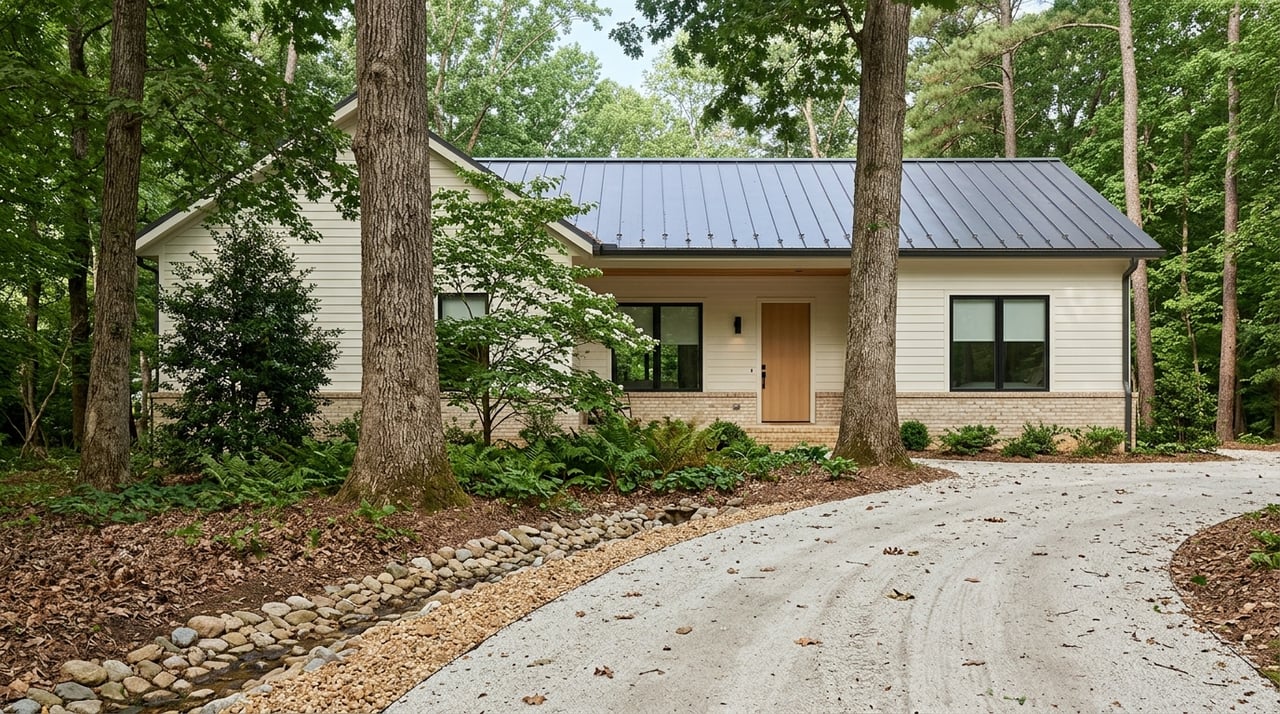
Steps To Building On Land Near Pilot Mountain
June 18, 2026
June 18, 2026
Thinking about building on land near Pilot Mountain? It can be an exciting path to getting the home you actually want, but it also comes with more moving parts than buying an existing house. If you understand the local steps early, you can avoid delays, protect your budget, and move forward with more confidence. Let’s dive in.
Before you fall in love with a piece of land, get clear on your project goals. Think about the size and style of home you want, how much land you need, and whether you want town utilities or a more rural setup.
Your budget should also cover more than the purchase price of the lot. In many land-to-home projects, you may need to plan for site work, utility connections, septic or well work, permitting costs, and a cushion for unexpected expenses.
One of the biggest misunderstandings buyers have is assuming land is automatically ready to build on. Near Pilot Mountain, buildability can depend on zoning, subdivision status, access, utility availability, and whether the property can support a septic system or well if needed.
That means a beautiful parcel may still need careful review before you move ahead. A little due diligence now can save you time, money, and frustration later.
Near Pilot Mountain, land-use review can involve more than one local office. The Town of Pilot Mountain Planning Department handles development ordinances, site plans, subdivision plats, and zoning-related reviews, while the Planning and Zoning Board reviews items like special use permits, variances, and appeals.
This matters because parcels near town boundaries may fall under multiple layers of review, including ETJ areas. At the same time, Surry County handles building inspections and permits at the county level, so you should expect separate zoning and permitting steps rather than one all-in-one approval.
Surry County’s GIS and tax-search tools are a smart first stop when you are evaluating land. Those tools are built from recorded deeds, plats, and other public records, and the county advises users to verify information through those public records.
In practical terms, you should use this stage to confirm parcel boundaries, ownership, access, and recorded details that could affect your plans. If you are buying acreage or a rural tract, this step is especially important.
If a parcel is being created from a larger tract, subdivision rules may come into play. Surry County explains that subdivision regulations govern the conversion of raw land into building sites, and lots generally should not be improved or sold until the plat is approved.
There is a narrow county exception for subdivisions of more than 10 acres with no street or right-of-way dedication, but even then, a review officer signature is still needed for recording. If the lot is newly split or part of a larger family tract, ask questions early.
Utility access can vary from lot to lot, even within the same general area. Inside town limits, Pilot Mountain provides water and sewer service and has a utility-services application for new, transfer, or temporary service.
The town also lists options for electricity, phone, internet, and cable. That is why it is important to confirm service availability for the specific parcel you are considering instead of assuming every lot nearby has the same setup.
If the property is outside municipal utility service, septic and well feasibility should be part of your early due diligence. Surry County’s online portal includes environmental health permit applications, which shows that these approvals are separate from standard building permits.
In North Carolina, private well questions are directed to the local health department or regional office, and wastewater system oversight is handled through the state’s on-site water protection framework. For you as a buyer, the key takeaway is simple: do not wait until after closing to learn whether the land can support the system your home will need.
Building a home often involves different financing than buying an existing one. A construction loan is generally a short-term loan that funds building costs in stages as work progresses.
Some construction loans convert to permanent financing, while others may require a separate mortgage application later. Because the structure of these loans can vary, it is wise to compare options early and make sure your financing plan matches your builder timeline.
Builder coordination matters just as much as financing. In North Carolina, a general contractor’s license is required for construction projects valued at $40,000 or more.
For most custom-home builds, that makes builder verification a must before you sign a contract or move too far into lender paperwork. You want your lender, builder, plans, and permit schedule working together from the start.
If you are trying to make sense of the process, this sequence can help:
Following the steps in this order can help you catch issues before they become expensive problems.
One helpful way to think about building near Pilot Mountain is that you may be working through parallel tracks. Zoning and land-use items may go through the town’s planning framework where applicable, while building permits and inspections go through Surry County.
That separation is normal in this area, but it can surprise first-time land buyers. If you go in expecting multiple checkpoints, the process feels much more manageable.
Surry County’s CityView portal gives you a central place to apply for permits, check application status, track inspections, and apply for environmental health permits online. That can make a big difference once your project is in motion.
Staying organized matters because permit timing, inspection scheduling, and utility coordination can affect your build timeline. A missed step late in the process can hold up progress when you are close to the finish line.
Land purchases often look simple from the outside, but they involve details that do not always show up in a listing photo. Boundaries, access, subdivision history, utility availability, and local review layers can all shape what happens next.
That is why working with a local real estate team can make the process easier. When you are looking at land near Pilot Mountain, it helps to have someone who understands the area, knows how rural parcels differ from in-town lots, and can help you ask the right questions before you buy.
If you are exploring land or planning a future build near Pilot Mountain, Pilot Group Real Estate can help you evaluate your options and move forward with clarity.
Stay up to date on the latest real estate trends.

We provide mentorship, resources, and a collaborative environment where you can grow your real estate career and make a meaningful impact in our community.